
Proxy Knowledge
Guide to Using IPv6 Residential Proxies for Large-Scale Web Data Collection

Table of contents
Introduction to IPv6 Residential Proxies in Web Data Scraping
In the digital era, data is considered an invaluable asset for every business. However, extracting and collecting information from large-scale e-commerce platforms, social networks, or news sites is becoming increasingly complex. Modern firewall systems and anti-bot mechanisms are constantly upgrading to detect and block abnormal access.
To solve this problem, choosing the right proxy infrastructure plays a decisive role. Among current solutions, proxy ipv6 residential (IPv6 residential proxies) is emerging as a leading tool, offering unlimited scalability along with optimal cost efficiency for data engineers.
Why Choose IPv6 Residential Proxies for Large-Scale Data Crawling Campaigns?
 The vast address space of IPv6 allows millions of concurrent requests without IP address exhaustion.
Compared to traditional IPv4 or datacenter proxies, proxy dân cư ipv6 (IPv6 residential proxies) possess superior advantages that help optimize data collection performance.
1. Virtually Unlimited IP Address Space
The IPv6 protocol provides approximately 340 undecillion IP addresses. This abundance thoroughly addresses the IP address scarcity of IPv4. Thanks to this, service providers can build extremely diverse crawl data proxy networks, allowing your system to execute millions of concurrent queries without worrying about running out of IP resources.
2. High Reliability and Absolute Anonymity
Residential IPs are Internet addresses assigned by Internet Service Providers (ISPs) to real household devices. When sending requests through a proxy ipv6 residential, your scraper bot's traffic will look completely identical to regular users. This helps the system bypass most automated detection mechanisms, minimizing CAPTCHA hurdles and the risk of IP blocks.
3. Operational Cost Optimization for Large Projects
Due to the vast supply of IPv6 addresses, the cost per gigabyte of data or cost per quantity of IPv6 IPs is significantly lower than IPv4. For enterprises deploying proxy thu thập dữ liệu (data collection proxy) systems at a scale of millions of pages per day, switching to IPv6 can save up to 50-70% of the infrastructure budget.
Guide to Configuring and Integrating IPv6 Residential Proxies into Web Scraping Systems
To effectively deploy proxy dân cư ipv6 (IPv6 residential proxies) in real-world projects, you should follow these standardized steps:
Step 1: Verify IPv6 Support on the Target Website
Before investing in a proxy system, ensure that the target website's server supports the IPv6 protocol. You can check using a simple Command Line tool:
ping -6 target-website.com or nslookup -type=AAAA target-website.com
If the command returns an IPv6 address (formatted as 8 groups of hexadecimal characters), you can fully use proxy ipv6 residential to scrape data.
Step 2: Set Up IP Rotation Mechanisms
 IP rotation mechanisms switch proxy addresses dynamically per request or per session.
Large-scale data collection requires continuous IP rotation. There are two common IP rotation methods:
- Per-Request IP Rotation (Sticky/Random Rotation): Each outgoing HTTP request will use a completely new IP. This is an ideal choice for single-page scraping tasks, product details, or articles.
- Session-Based IP Rotation: Maintains a single IP for a specific period of time (e.g., 5-10 minutes) to perform workflows that require logging in or maintaining shopping cart states.
Step 3: Integrate Proxies into Data Collection Scripts (Example with Python)
Below is how to integrate an IPv6 crawl data proxy into Python's popular requests library:
Sample simple configuration code:
- Declare Proxy authentication details (Host, Port, Username, Password).
- Send HTTP Request via auto-rotating proxy gateway.
- Handle exceptions and log response status.
Important Technical Considerations for Maximum Efficiency
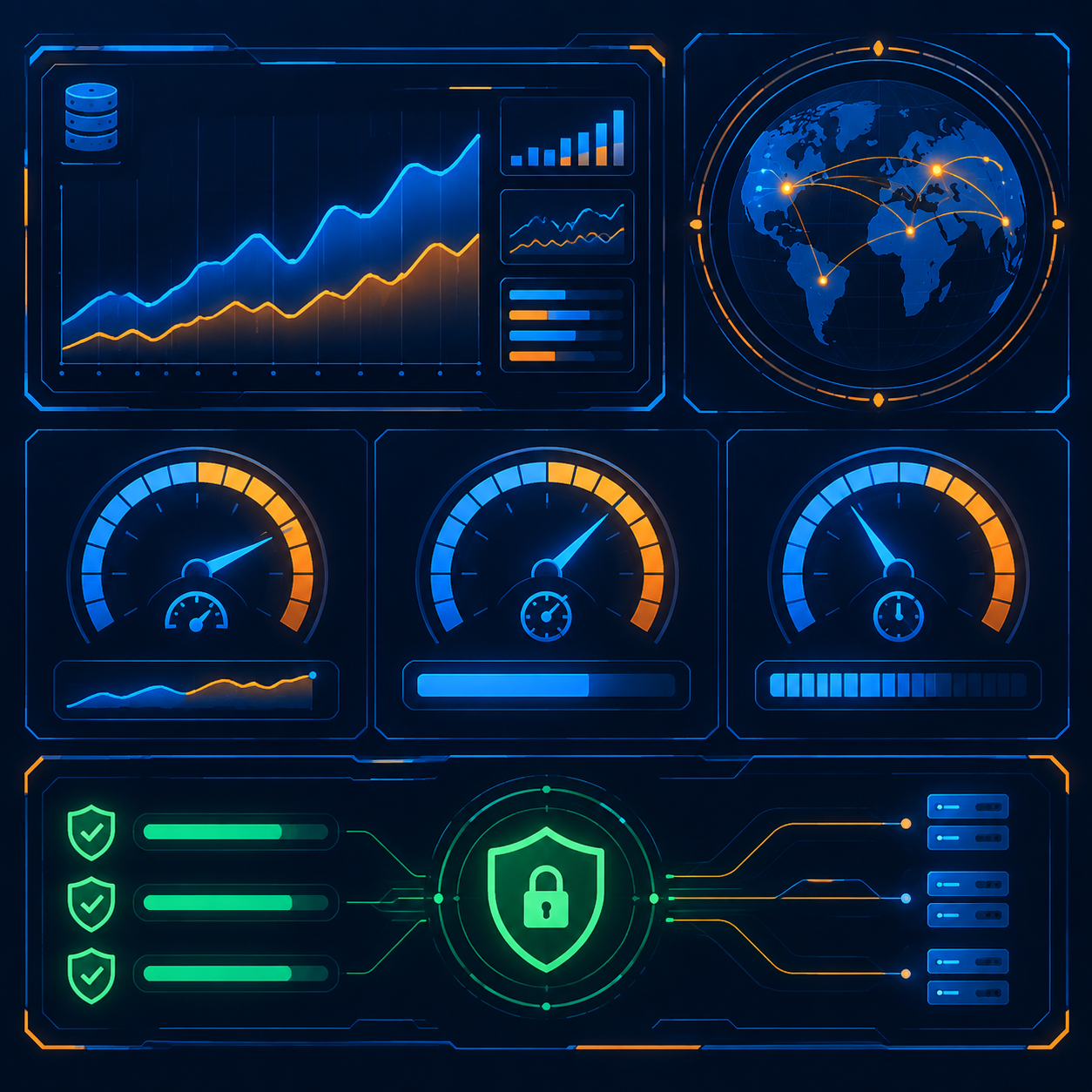 Combining smart rate limiting with dynamic headers maximizes scraping success and system longevity.
Although IPv6 proxy thu thập dữ liệu (data scraping proxies) offer many benefits, you still need to follow these technical guidelines to ensure sustainable system operation:
- Optimize HTTP Headers: Combine proxies with dynamic User-Agent, Accept-Language, and Sec-Ch-Ua rotation to accurately simulate real browser behavior.
- Rate Limiting: Even with a vast IP pool, you should avoid sending too many concurrent requests to the same server in a short period to prevent overloading the target system.
- Smart Error Handling: Build an automated retry mechanism when encountering 403, 429, or 503 errors to ensure the integrity of collected data.
Conclusion
Using proxy ipv6 residential (IPv6 residential proxies) is a strategic solution helping businesses make breakthroughs in large-scale data collection. With superior advantages in cost, IP volume, and reliability, this type of proxy ensures that the crawl data proxy process runs smoothly, stably, and more efficiently than ever. Start upgrading your data collection infrastructure today to optimize performance and boost your competitive edge in the market.
Related articles
Ready for real proxies, not just the guide?
Buy Residential, ISP, Datacenter, or Mobile proxies — live in minutes.
View products